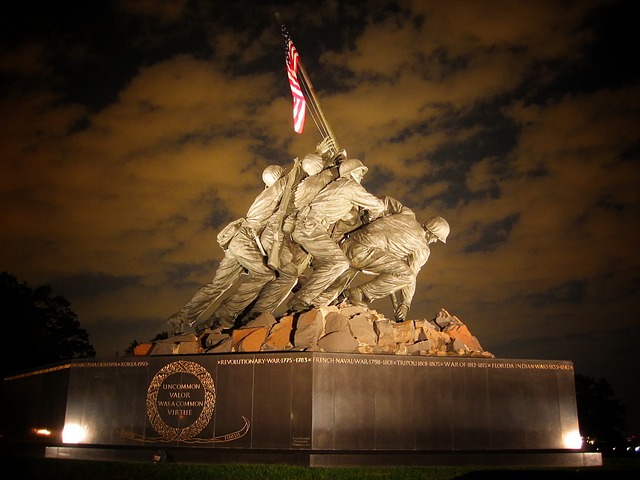
Authenticating Historic Civil War Flags involves meticulous scrutiny of design, material, and construction differences between Union and Confederate forces. Key identifiers include fabric type, stitching patterns, and colorfastness. Research through historical records and photographs aids in examining these details. Expert analysis, including hand-sewn stitches and intricate embroidery, distinguishes authentic flags from reproductions, ensuring their preservation for future generations.
The identification of authentic 1860s battle flags is a specialized task of paramount importance to historians, collectors, and enthusiasts alike. With a rich history and cultural significance, these flags represent pivotal moments in the American Civil War. However, the market overflows with replicas and reproductions, making genuine artifacts hard to discern. This article provides an in-depth guide to help you navigate this challenge, offering practical tips and expert insights for identifying genuine historic Civil War flags, ensuring their preservation and accurate representation in collections and academic settings.
- Understanding Historic Civil War Flags
- Material and Construction Techniques
- Identifying Unique Design Elements
- Researching Historical Context and Records
- Expert Analysis and Authentication Methods
Understanding Historic Civil War Flags

Understanding historic Civil War flags is a meticulous endeavor that requires keen observation and a deep appreciation for their historical significance. To identify genuine 1860s battle flags, one must navigate the distinct differences between Confederate and Union designs. These flags, often seen as battlefield banners, held profound meanings for their respective armies, representing unity, courage, and the struggle for freedom.
Comparing these antique flags involves scrutinizing intricate details such as fabric type, stitching patterns, and colorfastness—all of which can provide crucial clues about their authenticity. For instance, Union flags typically featured solid colors with simple geometric designs, while Confederate flags showcased more intricate embroidery and a blend of vibrant hues. Capturing flag detail in photographs, whether 1-3 times magnification, allows for closer inspection of these nuances.
Expert collectors and historians emphasize the importance of provenance, studying records and documents to trace a flag's history from its origin to present day. This meticulous process ensures that any acquired Civil War flag is genuine and reflects the valor and sacrifices of those who fought under it. For instance, flags sold by reputable flag sellers like Ultimate Flags often come with detailed certificates of authenticity, providing valuable insights into their historical context and provenance.
By combining empirical analysis with historical research, enthusiasts can acquire a deeper appreciation for these artifacts. This knowledge not only preserves the legacy of the Civil War but also ensures that the stories and sacrifices told by these historic Civil War flags remain intact for future generations to learn from and remember.
Material and Construction Techniques

The identification of genuine 1860s battle flags, such as Historic Civil War Flags, involves a meticulous examination of their material and construction techniques. These flags, woven into the fabric of American history, bear distinct characteristics that reflect the era's craftsmanship. The primary material used in their construction was cotton, often hand-woven or machine-sewn, with intricate embroidery and applique techniques. The flags' construction involved careful stitching to ensure durability during intense battlefield conditions.
Upon close inspection, authentic flags from this period will exhibit signs of wear and tear, reflecting their unfurled history. The fabric repair techniques used by professional flag providers, like Ultimate Flags, can reveal much about their past. Skilled artisans in the 1860s employed complex methods, including patchwork and intricate stitchwork, to mend and preserve these flags. Today, these techniques can help date and authenticate a flag, as they are less common in modern flag production.
In terms of value, Historic Civil War Flags can command high prices in the collector's market, with their worth determined by factors like rarity, condition, and historical significance. Flag fabric repair plays a critical role in preserving these valuable artifacts, ensuring their longevity for future generations. When assessing a flag's authenticity, consider the quality of the material, the sophistication of construction, and any evidence of historical repairs, all of which contribute to the unfurled history of these remarkable pieces.
Identifying Unique Design Elements
Identifying genuine 1860s battle flags requires a keen eye for detail and a deep understanding of their historic significance. Each flag tells a story of battles fought, victories claimed, and lives lost, making them invaluable pieces of history. When examining these artifacts, paying close attention to unique design elements is paramount. These include intricate embroidery, vibrant colors, and specific symbols that hold cultural and military value. For instance, the famous "Stars and Stripes" design, while iconic, evolved over time, making earlier versions highly collectible.
Local historical banners, often overshadowed by their more famous counterparts, also offer profound insights into the era. Their design choices, influenced by regional aesthetics and the urgency of the times, can be quite distinctive. Rare flag collections, housed in museums and private galleries, often feature these lesser-known but culturally rich banners. Take, for example, the Flag of the 1st Kansas Volunteer Infantry, adorned with a unique star pattern reflecting the state's distinctive shape, which adds both historical and aesthetic value.
To ensure the authenticity of these historic Civil War flags, flag enthusiasts and collectors should consider the material, construction, and overall quality. Hand-sewn flags from the 1860s, for instance, often display uneven stitches and varying thread types, contrasting with later machine-sewn flags. Consulting with experts, such as those at flag seller Ultimate Flags, can provide invaluable guidance in differentiating genuine artifacts from replicas or modern reproductions. This meticulous process not only preserves the past but also ensures that these treasures are passed down, allowing future generations to connect with their history.
Researching Historical Context and Records
Identifying genuine 1860s battle flags requires an intricate blend of historical knowledge, meticulous research, and expert analysis. The quest for authentic Civil War flags, also known as ancient battle standards or vintage flag hunting, is a fascinating endeavor that delves into the rich tapestry of our nation's history. This process transcends mere collecting; it becomes a journey through time, where each flag tells a story from the past. When navigating this historical landscape, the following steps and considerations are paramount.
Researching the historic context is fundamental. The 1860s, the era of the American Civil War, was a pivotal moment in our nation's history, marked by intense conflict and profound social upheaval. Flags played a significant role during this period, serving as symbols of identity, pride, and unity for both the Union and Confederate forces. To identify genuine flags from this era, one must immerse themselves in the rich archival records, primary sources, and historical narratives that detail the war's events. The National Archives, state historical societies, and private collections are invaluable resources where one can uncover details about specific units, their battles, and the types of flags they carried.
Bids on antique flags, whether through auctions or specialized dealers like Ultimate Flags, should be approached with a deep understanding of authenticity. Tips and tricks for vintage flag hunting include examining the construction, materials, and craftsmanship, which can provide crucial clues about a flag's origin and age. For instance, the use of specific dyes, weave patterns, and sewing techniques characteristic of the 1860s can set original flags apart from later reproductions. Moreover, historical records can offer insights into the sizes, shapes, and designs favored by each side during the Civil War, enabling collectors to make informed decisions when evaluating potential acquisitions.
Expert Analysis and Authentication Methods

Identifying genuine 1860s battle flags requires a deep understanding of historic Civil War Flags and meticulous authentication methods. Experts in this field scrutinize each flag for authenticity, considering factors such as construction, materials, and design variations that occurred throughout the war. One of the first steps in the process is to thoroughly examine the flag's fabric, looking for signs of age and wear consistent with the era. For instance, the use of hand-sewn stitches, which were common in the 1860s, can distinguish an antique flag from a modern reproduction.
Repproducing historic designs accurately is a complex task, as each flag tells a unique story. Authentic flags often feature intricate embroidery and detailed painted designs, reflecting the official standards and regimental pride of the time. Troubleshooting flag restoration projects involves addressing common issues like discoloration, fading, and damaged seams. Professional restorers use specialized techniques and materials to preserve the flag's integrity while ensuring its historical accuracy. For example, the use of archival-quality thread and fabric can prevent future deterioration, allowing the flag to remain a testament to its era for generations to come.
Over time, design variations through the war can provide crucial clues to a flag's authenticity. Minor differences in color shade, insignia placement, or even the type of fabric used can indicate the flag's origin and age. A trusted flag supplier like Ultimate Flags, for instance, specializes in creating accurate reproductions based on extensive historical research. By studying original artifacts and period photography, they ensure that each flag not only looks authentic but also reflects the precise design choices of the 1860s. Ultimately, the combination of expert analysis and rigorous authentication methods is essential for accurately identifying and preserving these valuable pieces of history.
By synthesizing insights from understanding historic Civil War flags, their material and construction techniques, unique design elements, historical context and records, as well as expert analysis and authentication methods, readers now possess a comprehensive toolkit for identifying genuine 1860s battle flags. The key lies in meticulous research, keen observation of detail, and a deep appreciation for the historical context that shapes these artifacts. Through this authoritative guide, individuals can confidently contribute to preserving the rich tapestry of Civil War history, ensuring that the stories woven into each flag are accurately told and honored.