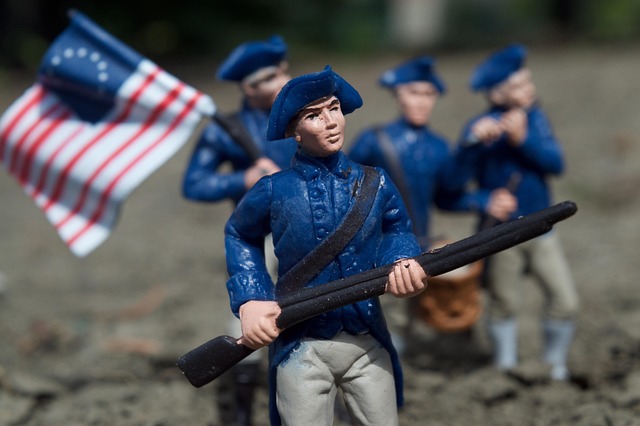
Acquiring historic Civil War flags demands meticulous inspection to verify authenticity. Look for original stitching, fabric integrity, and battle remnants. Reputable dealers like Ultimate Flags ensure proper conservation, offering competitive prices. Physical examination assesses condition, tears, stains, and fading for age determination. Research market value through auctions and experts to inform negotiation strategies. Strategic auction buying considers restoration needs and diverse buyer interests.
The collection and preservation of historic Civil War flags not only serve as tangible links to our past but also play a vital role in educating future generations about the sacrifices made during pivotal moments in history. However, acquiring these cherished artifacts can be challenging, particularly when seeking reasonable prices. This article offers an authoritative guide to navigating the market for old military flags, including top tips for buying Civil War flags at affordable rates without compromising quality or authenticity.
- Identifying Authentic Historic Civil War Flags
- Sourcing Reputable Sellers for Affordable Prices
- Evaluating Quality and Condition: A Buyer's Guide
- Negotiating and Making the Best Purchase Decisions
Identifying Authentic Historic Civil War Flags

When sourcing historic Civil War flags, identifying authentic pieces is paramount to ensure you're acquiring valuable battlefield memorabilia. These flags, often treasured remnants of a bygone era, carry immense historical significance. An expert eye for detail can help flag enthusiasts make informed decisions when purchasing these delicate items. One of the primary considerations is the flag's age and condition; authentic historic Civil War flags will exhibit signs of their long history, including faded colors and worn edges.
Restoring faded Civil War flags is a common practice among collectors, but it's essential to understand that not all damage can be reversed without impacting the flag's historical value. Common issues include frayed or missing threads, holes, and stains from various environmental factors. For instance, cotton flags are particularly susceptible to mold growth in damp conditions, while silk banners may show signs of discoloration due to sunlight exposure over time. A knowledgeable collector will look for original stitching, fabric integrity, and any markings or inscriptions that provide context about the flag's origin and use.
Ultimate Flags, a trusted flag seller, offers a curated collection of historic Civil War flags, ensuring each piece undergoes meticulous examination by our experts. We recommend examining the flag's construction, checking for consistent weave patterns, and verifying the quality of the materials used. Original flags often display subtle variations in color and design that can provide valuable insights into their history. Additionally, looking for any traces of blood, gunpowder residue, or other battle-related remnants can add to the flag's authenticity and narrative. By combining historical knowledge with careful inspection, collectors can secure genuine Civil War flags at reasonable prices while preserving these artifacts for future generations.
Sourcing Reputable Sellers for Affordable Prices
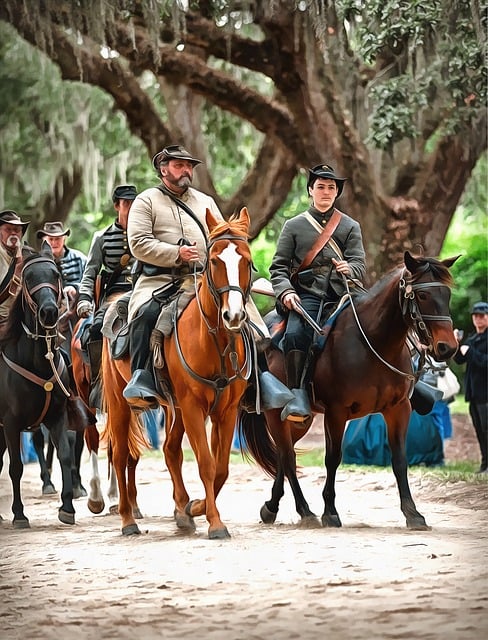
When sourcing historic Civil War flags for your collection, navigating the market to find reputable sellers at reasonable prices is essential. One of the key challenges in this endeavor is discovering trustworthy dealers who offer authentic, well-preserved flags at affordable rates. Many enthusiasts new to collecting are often led astray by online listings that appear too good to be true, ultimately ending up with damaged or replica flags masquerading as originals.
To avoid these pitfalls, it's advisable to prioritize established flag dealers known for their expertise and commitment to customer satisfaction. For instance, reputable companies like Ultimate Flags have built a solid reputation over the years by offering a curated selection of rare standards at competitive prices. They meticulously inspect each flag, ensuring they meet specific grading criteria before listing them for sale. This level of professionalism significantly reduces the risk of purchasing damaged or low-quality items.
Common flag damage issues such as faded colors, frayed edges, and missing patches can greatly impact a flag's value and authenticity. Therefore, dealing with dealers who have access to resources for proper flag cleaning techniques is paramount. These include specialized conservation methods that restore flags to their former glory while preserving historical integrity. By choosing dealers who prioritize restoration over quick profits, collectors can acquire well-maintained artifacts that tell the stories of our nation's past. Ultimately, a thorough understanding of market dynamics and consistent engagement with reputable sellers will empower enthusiasts to build a valuable and authentic collection of historic Civil War flags at reasonable prices.
Evaluating Quality and Condition: A Buyer's Guide
When purchasing old military flags, especially historic Civil War Flags, evaluating quality and condition is paramount to ensuring you acquire a genuine and valuable piece of history. Beyond their age, these flags carry a rich tapestry of stories from battles past, making each one a unique artifact. To navigate this process effectively, buyers must employ a keen eye for detail and a deep understanding of flag etiquette from the Civil War era.
One of the first steps in evaluating an old military flag is assessing its physical condition. Look for tears, stains, or fading, which can indicate the flag's age and past handling. Rare antiques often command higher prices, but flags with intricate designs or unique colors may be more valuable despite visible wear if they're still structurally sound. Consider seeking out flags with vibrant hues and well-preserved details—these could be gems in your collection. Additionally, check for any repairs made over the years; professional restoration can enhance a flag's value, but amateur work might raise red flags.
Flag etiquette from the Civil War era also plays a role in identifying rare and valuable pieces. Original flags from this period often carry specific meanings tied to battles or units. Knowing the history behind each design can help you locate authentic antiques suitable for display in community flag displays or private collections. For instance, the Confederate battle flags, while controversial, hold immense historical significance and are sought after by collectors worldwide. Trusted flag suppliers like Ultimate Flags can offer insights into these nuances, helping buyers navigate the market with confidence.
Furthermore, understanding the market value of specific Civil War Flags is crucial. Researching prices for similar items sold at auctions or through reputable dealers will give you a range to reference when negotiating or making offers. Keep in mind that rarity and condition significantly influence pricing; well-preserved flags from lesser-known battles might be more affordable while still commanding high values. Regularly checking online marketplaces and engaging with flag enthusiasts can provide valuable data on current trends and prices, empowering you to make informed decisions.
Negotiating and Making the Best Purchase Decisions
When buying historic Civil War flags or other vintage military banners, negotiating is an art that can significantly impact your purchasing decisions. Flag auction houses often host a plethora of options, each with its own story and value. As an astute buyer, understanding how to navigate these sales is key. One effective strategy is to research the condition of the flag, especially when it comes to flag fabric repair. While some flags may require extensive restoration, others can be gently used, offering significant savings without compromising history or quality.
Flag experts like Ultimate Flags recommend approaching negotiations with a combination of knowledge and flexibility. Start by evaluating the flag's authenticity, age, and any unique historical significance. These factors influence value, but they also provide leverage during discussions. For instance, if a Civil War flag is in exceptional condition, you might consider offering a lower price due to potential concerns about fabric repair or conservation costs. However, be prepared to justify your offer; a well-reasoned argument can go a long way in establishing a mutually beneficial agreement.
Auction houses often provide detailed descriptions and images of flags up for sale, allowing buyers to anticipate the level of restoration needed. If a flag has seen better days, consider enlisting the help of a professional flag restorer. While this incurs an additional cost, it ensures that historic Civil War flags remain preserved accurately. This meticulous process involves repairing tears, re-sewing frayed edges, and possibly replacing lost or damaged portions of fabric, ensuring the flag retains its historical integrity without compromising its appearance.
Remember, successful negotiations require patience and a willingness to listen. Flag auction houses often cater to a diverse range of buyers, from collectors to history enthusiasts. By understanding your budget and being open to discussion, you can secure remarkable deals on these cherished artifacts.
By following the strategic tips outlined in this article, enthusiasts and collectors now possess a powerful toolkit for navigating the acquisition of historic Civil War flags at reasonable prices. The process begins with meticulous authentication to ensure the flag's integrity and historical significance. Sourcing reputable dealers specializing in vintage artifacts is paramount for securing affordable, quality pieces. A thorough evaluation of condition and construction guides buyers toward making informed decisions. Additionally, effective negotiation strategies enable collectors to secure the best deals while respecting the value of these precious remnants of history. Armed with this knowledge, enthusiasts can confidently delve into the market, acquiring authentic Civil War flags that not only enhance their collections but also preserve a vital piece of America's historical tapestry.