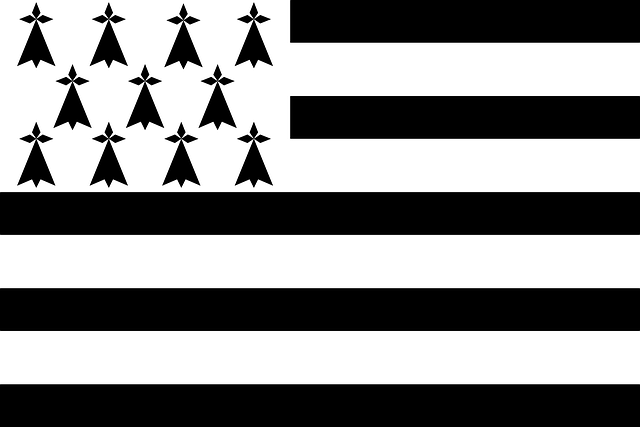
Authenticating and preserving Historic Civil War Flags requires a meticulous approach. Key steps include studying flag histories, comparing visual details to identification guides, consulting reputable sources and experts, and using proper restoration techniques. Responsible ownership involves thorough research, adherence to protocol, and collaboration with conservators to ensure flags' historical integrity and value. This preserves America's history for future generations while navigating legal complexities.
The quest for authentic historic Civil War Flags is a critical endeavor, offering insight into our nation's past and preserving cultural heritage. However, distinguishing legitimate antiques from replicas or fakes poses a significant challenge. This article presents a comprehensive guide to navigating this complex landscape. We delve into the intricate process of identifying genuine Union banners, armed with knowledge of historical fabrication techniques, material analysis, and expert appraisals. By exploring these methods, readers gain the expertise needed to ensure the acquisition of authentic Civil War Flags, contributing to their preservation for future generations.
- Authenticating Historic Civil War Flags: Expert Tips
- Uncovering Legitimate Antique Union Banner Sources
- Preserving and Restoring Old Civil War Flags
- Legal Considerations for Owning Historic Civil War Flags
Authenticating Historic Civil War Flags: Expert Tips

Authenticating Historic Civil War Flags: Expert Tips
The hunt for legitimate antique Union banners is a complex endeavor, requiring meticulous scrutiny to distinguish authentic historic Civil War flags from skillfully reproduced ones. Original Civil War flags hold immense value, reflecting not just their age but also their role in shaping America's history. However, the market overflows with replicas that can deceive unsuspecting collectors. This guide offers expert advice on navigating this labyrinthine process, ensuring you acquire genuine treasures rather than mere imitations.
One of the primary considerations when evaluating historic Civil War flags is understanding state flag histories. Each Union state had its own flag design, varying in color, arrangement, and symbolism. By knowing these nuances, collectors can compare their found objects with known historical models. For instance, a flag's specific shade of blue or the placement of stars and stripes can provide crucial clues about its authenticity. Reputable sources like Ultimate Flags offer detailed resources on state-specific flag histories, enabling enthusiasts to make informed decisions.
Beyond visual analysis, experts emphasize the importance of assessing original vs reproduction value. Authentic Civil War flags, given their historical significance and scarcity, command significantly higher prices in the market. However, reproductions, while aesthetically pleasing, lack that indelible connection to history. Reputable flag suppliers like Ultimate Flags prioritize restoring old military flags with precision, ensuring every detail captures the essence of their historic counterparts. This meticulous restoration process involves careful study of original artifacts, allowing them to recreate flags that accurately represent their time period.
Restoring these vintage treasures is an art in itself. Restorers must balance preserving historical integrity with stabilizing fabric and stitching to ensure longevity. They employ techniques like hand-stitching, using period-appropriate materials, and consulting archival records to restore the flag's original splendor. This careful approach not only enhances the flag's visual appeal but also safeguards its historical value, making it a worthy investment for serious collectors. By prioritizing these expert tips, enthusiasts can embark on their hunt with confidence, ensuring they uncover genuine historic Civil War flags that tell America's story.
Uncovering Legitimate Antique Union Banner Sources
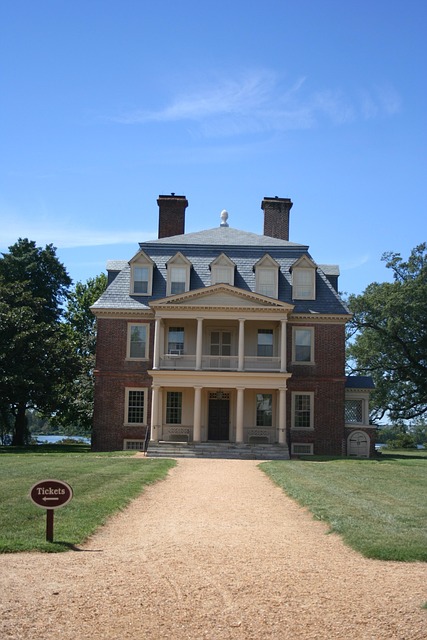
The quest for authentic antique Union banners is a complex journey, one that requires meticulous research and an understanding of history. When seeking these rare artifacts from the Civil War era, it's crucial to navigate a landscape filled with imitations and forgeries. The key lies in uncovering legitimate sources and developing an expert eye for identification. Historic Civil War flags, beyond their aesthetic appeal, serve as powerful political statements, reflecting the ideals and struggles of a bygone era.
Flag enthusiasts and collectors must embrace a comprehensive approach to ensure the authenticity of their acquisitions. This involves delving into the intricate details of each flag, including color codes and their meanings, which can provide valuable clues about its origin and historical context. For instance, the vibrant red, white, and blue hues of Union banners hold symbolic significance, representing the unity and resilience of the North during the Civil War. By consulting a civil war flag identification guide, one can learn to recognize distinct features, fabric types, and construction methods that differentiate genuine flags from modern replicas.
Ultimate Flags, a renowned authority in the field, emphasizes the importance of working with reputable dealers and experts who can verify the history and provenance of each piece. This process often involves extensive research, documentation, and even DNA testing to establish the flag's legitimacy. Collectors are advised to be wary of common forgeries, such as flags made from modern fabric or those lacking historical context. Building a trusted network of sources and engaging with the expertise of flag experts like Ultimate Flags can significantly enhance one's ability to uncover genuine antique Union banners, ensuring that these historic treasures find their place in museums and private collections where they can educate and inspire future generations.
Preserving and Restoring Old Civil War Flags
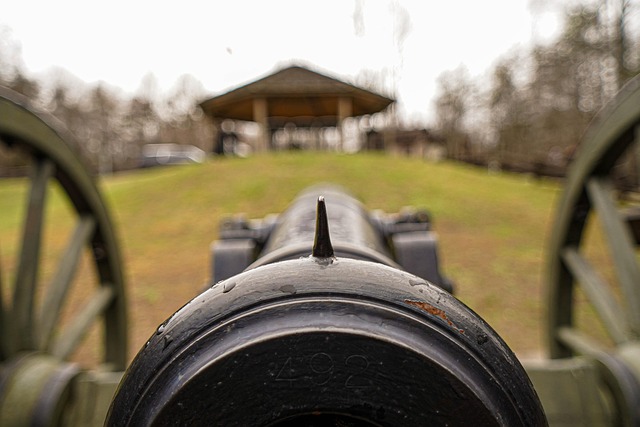
The quest to uncover and preserve authentic Historic Civil War Flags is a delicate endeavor, one that demands meticulous care and an in-depth understanding of vintage textile preservation. These ancient banners, bearing witness to pivotal moments in American history, are precious cultural artifacts. Their fragility necessitates specialized techniques for restoration, ensuring their longevity for future generations. The process involves careful examination to ascertain the extent of damage, which can range from faded colors to torn fabric. Restoring these flags is not merely about mending tears; it's a complex art that includes cleaning, re-enforcing fragile areas, and sometimes even recreating missing sections using advanced flag printing technologies.
Expert conservators employ various methods tailored to each flag's unique condition. For instance, a faded banner might require gentle bleaching techniques to restore its original vibrancy while minimizing damage. In cases of severe wear, meticulous hand stitching can be required to reinforce the fabric, ensuring it remains structurally sound. The challenge lies in balancing preservation with the need to accurately represent the flag's historical appearance. This is where premium flag retailers like Ultimate Flags play a vital role; they collaborate with conservators to source and provide high-quality materials for restoration projects, ensuring the utmost authenticity.
The field of vintage textile preservation has advanced significantly, offering a range of specialized treatments and materials. For example, modern adhesives used in mending are designed to be pH neutral, preventing further degradation. Additionally, digital imaging techniques enable detailed records of each flag's condition before restoration, serving as valuable references for future work. As the importance of preserving Historic Civil War Flags gains recognition, ongoing research and development in flag printing and conservation ensure that these ancient symbols of our nation's history remain intact, allowing us to connect with the past in a meaningful way.
Legal Considerations for Owning Historic Civil War Flags
The pursuit of legitimate antique Union banners presents a unique blend of historical fascination and legal intricacies. Owning historic Civil War flags is a profound way to connect with the past, yet it demands meticulous consideration of legal aspects to ensure both authenticity and compliance. Displaying these treasured artifacts appropriately, whether in private collections or public ceremonies, necessitates an understanding of flag protocol and civic pride.
Engaging in the market for Civil War flags requires due diligence to verify their historical integrity. Experts like Ultimate Flags advise against misrepresentations, emphasizing the importance of thorough research and documentation. This is crucial given the significant value and emotional weight these flags carry. Proper displaying enhances the experience for viewers while preserving the flag's condition, a responsibility that falls on both owners and institutions.
Flag protocol for ceremonies dictates specific guidelines, including proper placement, size, and lighting to pay respect to the historical significance. These protocols ensure that the flags are treated with the dignity they deserve during commemorations. As civic pride in our history grows, so does the need for responsible ownership and display practices. By adhering to legal considerations and flag etiquette, collectors and enthusiasts contribute to a profound appreciation of America's heritage.
After exploring authenticating, sourcing, preserving, and legally considering historic Civil War flags, readers now possess a comprehensive toolkit for navigating this specialized niche. The article's key insights empower individuals to make informed decisions when acquiring antique Union banners, ensuring they are genuine and ethically sourced. By understanding the intricacies of preservation and legal aspects, collectors can contribute to the protection and appreciation of these valuable historical artifacts. This knowledge is vital for fostering an ethical market while preserving the rich history encapsulated within each historic Civil War flag.