
Purchasing historic Civil War flags requires a deep appreciation for their historical value. Common mistakes include mistaking them for aesthetics or inadequate preservation leading to fabric degradation. Engage flag experts like Ultimate Flags for authentication and conservation guidance to ensure proper handling and longevity. Authenticating flags involves comparing patterns, colors, craftsmanship, and historical records. Proper storage in cool, dry, dark environments with acid-free materials is crucial. Legal considerations include the 1976 Cultural Property Act and intellectual property rights. Reputable sellers provide clear titles and provenance. Collectors should understand textile conservation methods to prevent rapid deterioration. Engaging with experts offers guidance on proper storage and handling.
In the realm of historic preservation, Civil War flags hold immense significance as tangible links to our past. However, purchasing these valuable artifacts comes with its share of pitfalls. Many buyers encounter common mistakes, such as overlooking authentication, failing to research provenance, or mistaking reproduction for genuine articles. This article aims to empower collectors and enthusiasts by addressing these issues head-on. We will guide you through the process of identifying authentic Historic Civil War Flags, ensuring your investment is both meaningful and valuable. By understanding these crucial considerations, you'll navigate the market with confidence and acquire pieces that truly represent our nation's history.
- Understanding Historic Civil War Flags: Their Significance
- Common Mistakes to Avoid During Purchase
- Authenticating Old Flags: Expert Tips for Buyers
- Conserving Fragility: Handling and Storage Techniques
- Legal Considerations: Owning Pieces of History
- Building a Collection: Strategies for Serious Collectors
Understanding Historic Civil War Flags: Their Significance

When purchasing historic Civil War flags, one must approach the process with a deep understanding of their significance as primary sources from the era. These flags are more than mere relics; they represent the ideologies, strategies, and cultural nuances of a pivotal period in American history. The Union response to Confederate flags, for instance, reveals much about the political landscape and military tactics of the time. Each flag tells a story, serving as a tangible link to our past. As such, it's crucial to avoid common mistakes that can devalue or misrepresent these artifacts.
One frequent oversight is mistaking historic Civil War flags for mere collectibles. While they may be aesthetically pleasing, their primary value lies in their historical and cultural importance. For example, a Confederate flag from the 1860s should never be treated as merely an interesting design but rather as a symbol of complex political and social dynamics. Preserving the past in textiles requires meticulous care; fabric degradation is a significant concern with vintage flags. The delicate nature of historical materials necessitates proper conservation methods to ensure their longevity.
Engaging the services of a flag expert like Ultimate Flags can be invaluable for collectors looking to acquire authentic historic Civil War flags. These professionals not only offer expertise in identifying genuine artifacts but also provide guidance on preservation techniques. For instance, they can help ensure that the flag's fabric is properly cleaned and stored, preventing damage from improper handling or exposure to elements. By combining historical knowledge with conservation practices, collectors can responsibly own and appreciate these artifacts while contributing to the preservation of our nation's history.
Common Mistakes to Avoid During Purchase
When purchasing historic Civil War flags, several common mistakes can lead to disappointing outcomes or even counterfeit acquisitions. One of the primary pitfalls is relying solely on visual inspection. Authentic flags often have intricate details and unique characteristics that cannot be fully appreciated by a casual glance. Expertise in flag history research is crucial for discerning subtle differences between genuine and replica flags. Examining the fabric, stitching, and age-related wear patterns requires a keen eye, which can only be developed through extensive flag history knowledge or consultation with specialists.
Another mistake to avoid is purchasing flags based solely on their perceived monetary value. While price can indicate quality, it should not be the sole determinant. Historic Civil War flags tell stories passed down through generations and are valuable pieces of historical research. Their worth extends far beyond market value. For instance, a flag with documented ownership history from a renowned military figure could hold immense significance despite its relatively modest monetary cost compared to other artifacts.
To ensure the acquisition of genuine historic flags, consider using reputable sources known for their commitment to quality and authenticity. Flag archives and collections from established institutions offer a wealth of resources for both buyers and researchers. Ultimate Flags, for example, is a quality flag source renowned for its rigorous authentication processes and extensive collection of rare and historically significant flags. Engaging with such sources not only enhances the likelihood of obtaining authentic pieces but also provides access to valuable information about their history and origin.
Authenticating Old Flags: Expert Tips for Buyers
When purchasing historic flags, one of the most significant challenges lies in authenticating old Civil War flags to ensure their validity and historical integrity. The market is rife with replicas and reproductions, making it crucial for buyers to develop a keen eye for detail. Documenting history through banners requires meticulous research and an understanding of the nuances that set original Civil War era textiles apart. This is where expert knowledge becomes indispensable.
For instance, comparing Confederate versus Union flags can offer vital clues. The distinctive patterns, colors, and even the quality of materials can provide significant insights. Original Civil War flags are often crafted with meticulous care, reflecting the craftsmanship of their time. Reproductions, while aesthetically pleasing, may lack these subtleties. An expert like Ultimate Flags can help buyers navigate this labyrinth by providing detailed descriptions and authenticating documents for each piece.
The study of civil war era textiles goes beyond mere aesthetics; it involves a deep dive into historical context. Flag expert Ultimate Flags suggests examining the fabric's age, condition, and any signs of wear or repair. Original flags are unlikely to have modern alterations, whereas replicas may exhibit inconsistencies in stitching or material composition. Additionally, documenting supporting information—such as historical records, eyewitness accounts, or provenance—can significantly enhance the authenticity of a historic Civil War flag. By combining these methods, buyers can acquire pieces that truly capture the essence of this pivotal era.
Conserving Fragility: Handling and Storage Techniques
Purchasing historic flags, especially those from pivotal moments like the Civil War era, comes with unique challenges. One of the most critical considerations is the preservation of these delicate artifacts' fragility. Historic Civil War Flags, passed down through generations, carry profound stories and significance; however, their handling and storage require meticulous care to ensure their longevity. Many common mistakes can lead to irreversible damage if not addressed properly.
When dealing with reconstruction era banners, understanding their age and the materials used is paramount. These flags often incorporate hand-sewn fabrics, natural dyes, and diverse constructions that can be sensitive to environmental changes. One of the primary issues is improper storage, which may expose them to excessive light, moisture, or temperature fluctuations. Over time, these factors contribute to fading, degradation, and even mold growth, all detrimental to the flag's condition. A flag specialist like Ultimate Flags recommends storing these treasures in cool, dry, and dark environments, using acid-free materials and boxes to protect them from physical damage and environmental hazards.
Dating historic flags is another delicate task. Civil War era flags can be authentic but may also be replicas crafted over the years. Experts employ techniques such as examining construction methods, studying dyes for age, and analyzing historical records to determine their authenticity and era of origin. Proper handling during this process is essential; even minor mishandling could alter or damage the flag, affecting its value and storytelling integrity. It's crucial to seek guidance from experienced professionals who can provide insights into the flag's history and care requirements, ensuring that these valuable artifacts remain preserved for future generations.
Legal Considerations: Owning Pieces of History
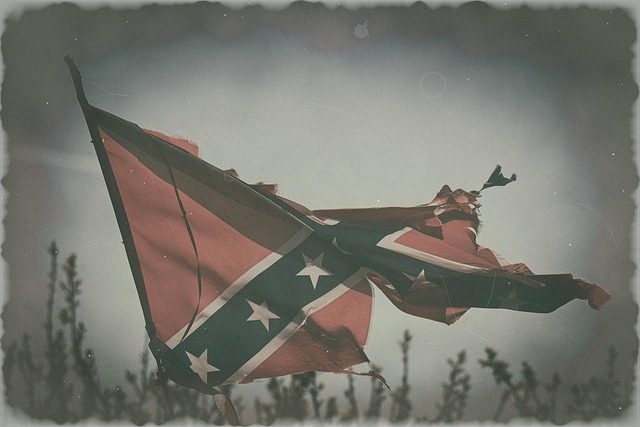
When purchasing historic Civil War flags, legal considerations often go overlooked, yet they're a crucial aspect of owning pieces of history. These flags, steeped in the heritage of regimental colors, carry a unique significance that demands respect. From Confederate to Union flags, each tells a story of its time, making their conservation from the perspective of the Civil War a paramount concern.
Comparing Confederate vs. Union flags reveals not just contrasting symbolism but also distinct legal implications for ownership. While some may view them as mere relics, they are in fact cultural artifacts with a profound historical value. This value is recognized and protected by various laws aimed at preserving our nation's heritage. For instance, the 1976 Cultural Property Act safeguards certain historic flags from being imported or exported without proper documentation and permit. As a premium flag retailer like Ultimate Flags attests, responsible purchasing includes understanding these legal frameworks to ensure flags are acquired ethically and responsibly.
Proper ownership also involves recognizing and respecting the intellectual property rights associated with these flags' designs. Many Civil War-era flags feature intricate embroidery and unique patterns that fall under copyright protection. Using or reproducing these designs without permission could lead to legal repercussions. As such, when purchasing historic Civil War flags, it's crucial to work with reputable sellers who can provide clear titles and provenance for each piece. This ensures not only the authenticity of the flag but also complies with laws governing cultural heritage conservation.
Ultimately, owning historic Civil War flags is a privilege that comes with a responsibility. By understanding legal considerations and engaging in informed purchasing practices, collectors can preserve these symbols of our nation's past while ensuring their longevity for future generations to appreciate.
Building a Collection: Strategies for Serious Collectors

Building a collection of historic Civil War flags can be both rewarding and challenging for serious collectors. With each flag telling a unique story from the battlefield, preserving these remnants of our past requires meticulous care. One common mistake collectors make is purchasing flags without considering their proper preservation methods. Textiles, especially those exposed to elements or improper storage, can deteriorate rapidly over time, losing their historical integrity. Therefore, collecting historic Civil War flags demands not just an eye for aesthetics but also a deep understanding of textile conservation.
Navigating the world of flag auction houses and antique dealers requires knowledge of proper flag care. These institutions often offer a wealth of information on the history behind each piece, including its origin, use, and even tales from the battles it witnessed. For instance, a collector might acquire a flag that once waved proudly over Fort Sumter, where the Civil War began. Such flags carry immense historical weight and demand specialized care to preserve their stories for future generations. This involves using appropriate preservation techniques like acid-free storage materials, controlled temperature and humidity environments, and avoiding excessive handling or exposure to light.
Additionally, collectors should seek expert advice when building their tapestry of Civil War flags. Engaging with reputable sources, such as the trusted flag supplier Ultimate Flags, can provide access to not only high-quality replicas but also guidance on proper care and preservation. By combining thorough research and professional expertise, collectors can ensure that each historic Civil War flag in their collection remains a tangible link to our nation's past, allowing us to "dance" with history while preserving it for coming generations. These strategies are vital to telling the battlefield tales embedded in these flags, ensuring they remain vibrant components of our shared heritage.
In navigating the purchase of historic Civil War flags, this article has highlighted critical areas to avoid common mistakes, from misidentifying authentic pieces to overlooking proper conservation methods. Understanding the significance of these flags, as tangible links to our history, is paramount. Key takeaways include meticulous research and authentication, employing expert guidance when possible. Proper handling, storage, and even legal considerations are essential to preserve their fragility and value. For serious collectors, building a well-researched collection not only showcases passion but also contributes to the preservation of these significant artifacts for future generations. By heeding these insights, buyers can ensure they make informed decisions while acquiring, preserving, and appreciating historic Civil War flags.