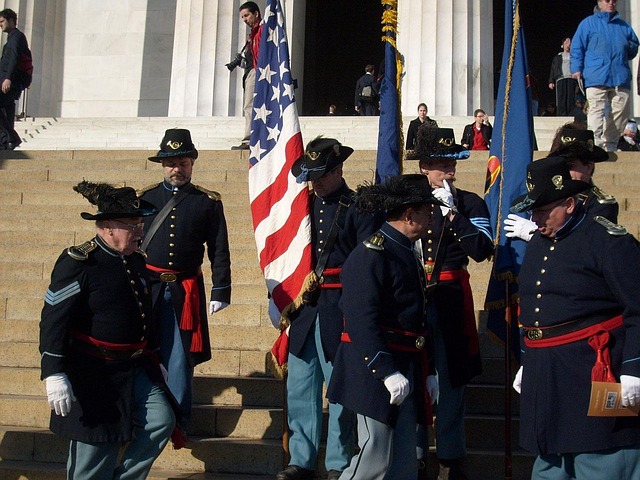
Purchasing historic Civil War flags demands thorough research, verification of provenance through historical records and expert guidance, and proper preservation techniques to maintain their integrity. Distinguish authentic antiques from reproductions by examining age, construction, origin, and damage. Engage flag specialists for expert consultation, context, and insights into individual soldiers' stories, ensuring responsible acquisition and preservation for future generations.
The acquisition of historic Civil War flags is a delicate process, fraught with common pitfalls for enthusiasts and collectors alike. Many authentic artifacts risk being lost to the tides of misinformation, poor preservation, or outright fraud. This comprehensive guide addresses these issues head-on, providing essential insights into navigating the complexities surrounding Historic Civil War Flags. We demystify the process, empowering informed decisions and safeguarding these significant pieces of history. By unraveling common mistakes, we aim to preserve the authenticity and value of these cherished relics for future generations.
- Researching Historic Civil War Flags: Uncovering Their Stories
- Common Mistakes to Avoid When Buying Antique Banners
- Authenticity and Preservation Techniques for Historical Collectibles
- The Importance of Expert Consultation in Flag Acquisition
Researching Historic Civil War Flags: Uncovering Their Stories

When purchasing historic Civil War flags, thorough research is paramount to ensure authenticity and preserve their rich narratives. Uncovering the stories behind these banners requires delving into their history, origin, and previous owners. Flag enthusiasts must be diligent in their investigation, as some artifacts may have been restored or even created during different periods, leading to historical inaccuracies. Local historical societies and archives can be invaluable resources, offering records and documents detailing specific flags' provenance.
For instance, a flag auction house might list a banner with an intriguing history, but it's crucial to verify its authenticity. The process involves cross-referencing the information provided with known historical data. Many reputable flag sellers, like Ultimate Flags, offer comprehensive descriptions, including research on the flag's origin and any notable events associated with it. By combining these resources, collectors can make informed decisions while ensuring they acquire genuine historic Civil War flags that accurately represent their claimed heritage.
Flag preservation techniques are essential to maintaining these historical artifacts' integrity. Proper storage, handling, and conservation methods are critical to preserving the fabric and colors of these banners over time. For local historical banners, consulting with conservators or expert flag restorers can provide guidance on appropriate care. This ensures that future generations can appreciate the stories woven into each stitch and thread.
Common Mistakes to Avoid When Buying Antique Banners

When purchasing historic Civil War flags, several common mistakes can lead to a less than satisfactory acquisition. One of the primary issues is mistaking reproduction flags for authentic antiques. While reproductions have their place in history education and enthusiasts' collections, they lack the value and historical weight of genuine flags. To ensure you're investing in a true piece of history, carefully examine any flag's age, construction, and origin. Authentic Civil War flags are typically aged to perfection over time, with unique variations in color and design reflecting their unit or region of origin.
Another mistake to avoid is failing to consider the intricate differences between Confederate and Union flags. Each side had distinct designs that evolved during the war. For instance, the Confederacy's flag changed from a simple red, white, and blue design to include various state seals as more territories joined. Comparing these variations can help you make informed decisions when purchasing. A professional flag provider like Ultimate Flags can offer detailed insights into these differences, ensuring you acquire an accurate representation of a specific period or unit.
Common flag damage issues also merit attention. Flags used during the Civil War have endured significant wear and tear over the decades. Look for signs of fading, frayed edges, holes, or missing sections. While repairs can enhance the flag's display value, a completely intact flag with original stitching commands a higher price. Preserving the past involves respecting these historic artifacts, ensuring their integrity for future generations. For example, a well-preserved Union banner from 1863 might sell for significantly more than a damaged version, despite both having historical significance.
Before purchasing, conduct thorough research and compare various flags to understand their value. Ultimate Flags, a trusted source for antique banners, offers a comprehensive guide on historic Civil War flags, helping collectors make informed choices. This careful approach ensures not only the acquisition of genuine artifacts but also aids in preserving the rich tapestry of American history that these flags represent.
Authenticity and Preservation Techniques for Historical Collectibles

When purchasing historic flags, especially delicate artifacts like Civil War flags, one of the most critical considerations is ensuring their authenticity and proper preservation. These banners, bearing the weight of history, require specialized care to maintain their integrity for future generations. Many collectors make the mistake of focusing solely on visual appeal or rarity without understanding the proper conservation methods, which can lead to irreversible damage. For instance, a vibrant, colorful flag from the era might be tempting, but without appropriate preservation techniques, its historical value and aesthetic charm could diminish rapidly.
Authenticating historic banners involves meticulous research and often consultation with expert historians or conservators. Collectors should look for provenance, the detailed history of ownership and origin, which provides crucial insights into a flag's legitimacy. For Civil War flags, this might include examining records from battles, units involved, and even personal diaries that mention the flag's capture or surrender. A trusted source for these rare collectibles, like Ultimate Flags, can provide comprehensive documentation to ensure buyers receive authentic pieces with historical significance.
Flag preservation techniques are an art and a science. The process involves controlled environments, specialized cleaning, and repair methods to prevent deterioration. For example, cotton flags from the Civil War era require careful handling due to their fragility. They should be stored in acid-free paper or fabric to prevent damage from light and moisture. Frame mounting is another technique, but it must be done correctly; improper framing can lead to warping or tearing. Professional conservation services can offer these treatments, ensuring each stitch and color remains true to the original, much like restoring an antique painting or conserving ancient manuscripts.
Collecting Civil War memorabilia, including historic flags, is a noble pursuit, allowing individuals to connect with the past. However, it's essential to approach this hobby with care and respect for history. By understanding authentication methods and investing in proper preservation, collectors can contribute to preserving these artifacts while ensuring their value and integrity remain intact. This meticulous approach not only protects valuable collectibles but also educates future generations about the sacrifices and victories that shaped our nation's history.
The Importance of Expert Consultation in Flag Acquisition

When acquiring historic Civil War flags or other vintage flag treasures, one of the most critical considerations often overlooked is seeking expert consultation. This step can be a game-changer in ensuring the authenticity and proper care of these delicate artifacts. Many individuals, driven by civic pride and a fascination with history, embark on the thrilling quest of hunting down vintage flags, but without guidance, they may fall into common pitfalls. For instance, flag fabric repair is an art that requires specialized skills; attempting it without expertise could cause irreversible damage to irreplaceable historical textiles.
The process of vetting a flag's authenticity involves much more than meets the eye. It demands a deep understanding of historical context, construction techniques, and material science. Consider the intricate stitching on an old Civil War flag—it tells a story as compelling as the battle it represented. An expert consultant can help identify these details, ensuring that what you're acquiring is genuine and not a mere reproduction. Moreover, they can offer valuable insights into the history of specific units, battles, or even individual soldiers, adding layers of significance to your collection.
Flag specialist Ultimate Flags has long been at the forefront of providing such expertise. They offer invaluable guidance to both seasoned collectors and newcomers, ensuring that every flag acquired is not just a piece of history but a carefully preserved testament to our past. By engaging their services, you gain access to a wealth of knowledge that goes beyond simple transaction. It's about ensuring the longevity of these historic flags, preserving them for future generations to appreciate and learn from, fostering a deeper connection between us and our rich civic heritage.
In navigating the world of Historic Civil War Flags, this article has equipped readers with invaluable insights to avoid common pitfalls when purchasing antique banners. By understanding the importance of thorough research, especially in uncovering each flag's unique story, buyers can make informed decisions. Recognizing and avoiding typical mistakes is crucial for ensuring authenticity and preserving these historical collectibles.
The guide emphasizes the value of expert consultation, underscoring its role in confirming a flag's genuineness and significance. Embracing proper preservation techniques further ensures these historic artifacts remain intact for future generations to appreciate.
By synthesizing these key learnings, collectors can confidently navigate the market, invest in authentic pieces, and contribute to preserving the rich tapestry of Historic Civil War Flags.